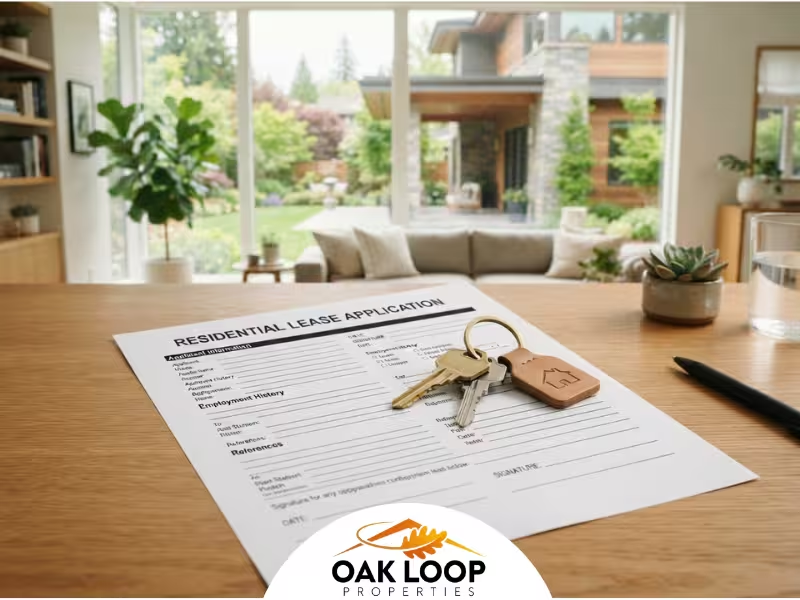
Finding the right renter is important for every landlord. A good renter can pay rent on time, follow the lease, and take care of the home. A poor screening process, however, can lead to late payments, property damage, or other problems.
That is why asking the right tenant screening questions is helpful. Simple questions can help landlords learn more about a renter before making a rental decision.
This guide explains useful tenant screening questions in simple language. It also covers common questions to ask tenants, plus helpful questions to ask landlord when a renter wants to learn more about a property.
Table of Contents
Why Tenant Screening Matters
Tenant screening helps landlords learn if an applicant may be a good fit for a rental home. It can include an application, income verification, rental history, references, and other lawful checks.
Good tenant screening questions can help a landlord learn:
- Why the renter is moving
- When the renter wants to move
- Where the renter lives now
- How long they have rented
- Whether they can meet the rent requirements
- Whether they can provide rental references
- Who will live in the home
- Whether they can follow the lease rules
The goal is not to ask personal questions. The goal is to collect information that is related to renting the home.
Why Are You Moving?
One of the best tenant screening questions is simply asking why the renter wants to move.
A renter may be moving because they want a bigger home, a shorter trip to work, or a new place that better fits their needs.
The answer can give you useful information about their plans. However, do not judge someone based only on their reason for moving.
When Do You Want to Move?
Ask when the renter wants to move into the property.
This helps you see if their schedule matches the home’s availability. You can also ask how long they expect to rent.
Keep the question simple and use the same basic process for every applicant.
Where Do You Live Now?
Another useful set of tenant screening questions can focus on the renter’s current home.
You can ask:
- Where do you live now?
- How long have you lived there?
- Do you currently rent?
- May we contact your current or past landlord?
These questions can help you understand the applicant’s rental history.
How Long Have You Lived at Your Current Home?
Length of rental history can provide useful information. A renter who has stayed in one home for several years may show rental stability.
However, having a short rental history does not automatically mean an applicant is bad. New renters may have little or no rental history.
Always review the full application instead of making a decision from one answer.
Can You Provide a Rental Reference?
Rental references can help confirm information about a renter’s past.
When speaking with a previous landlord, some useful tenant screening questions include:
- Did this person rent your property?
- Did they pay rent as agreed?
- Did they follow the lease?
- Did they take reasonable care of the home?
- Would you rent to them again?
Only ask questions that are allowed by law and related to the rental.
How Will You Pay the Rent?
A landlord may need to know if an applicant can meet the rental requirements.
You can ask about employment, income, or other lawful ways the renter plans to meet the rent.
For example:
- Are you currently employed?
- Can you provide income documents?
- How long have you had your current source of income?
Use the same income rules for every applicant.
Who Will Live in the Home?
Knowing how many people will live in the property is important for lease and occupancy planning.
Ask who will live in the home and make sure your occupancy rules are legal. Do not ask questions about protected personal traits.
Good tenant screening questions should focus on the rental agreement, not private information that is not needed.
Do You Have Pets?
If your property has a pet policy, explain it clearly.
You may ask whether an applicant has pets and explain the property’s rules. However, assistance animals may be protected by housing laws and should not automatically be treated like ordinary pets.
Make sure your policy is lawful and applied fairly.
Do You Smoke?
If your property has a no-smoking rule, tell every applicant about it.
You can ask whether the renter can follow the property’s smoking rules. The same policy should apply to all applicants.
Clear rules can help prevent problems after the renter moves in.
Have You Ever Broken a Lease?
Past rental problems may be worth discussing. One of the useful tenant screening questions is whether an applicant has ever broken a lease.
If the answer is yes, give the renter a chance to explain what happened.
Do not make a decision from one answer alone. Review the full application and follow your normal screening standards.
Have You Ever Been Evicted?
Where allowed by law, landlords may ask about past evictions or review lawful rental records.
If an applicant has an eviction record, the information may need more review. Records can sometimes contain mistakes or missing details.
Give the applicant a fair chance to explain information that may affect the application.
Can You Meet the Rental Costs?
Rent is only one part of the cost of renting a home. Applicants may also need to pay a security deposit, utilities, or other lawful charges.
Explain the costs clearly before the applicant moves forward.
This is also a good time for renters to prepare their own questions to ask landlord. For example, they can ask when rent is due, which utilities they must pay, and what fees apply.
Clear information helps both sides understand the agreement.
Can We Verify Your Application Information?
A landlord may need to verify information provided by an applicant.
Tell the applicant what information may be checked and what documents may be needed. Follow all required permission and privacy rules.
Using the same process for each applicant helps make screening more fair.

Questions to Ask Tenants Before Approval
Landlords often search for useful questions to ask tenants before approving an application.
The best questions are simple and connected to the rental. They should help you understand the applicant’s rental history, plans, and ability to meet the property requirements.
Examples include:
- When do you want to move?
- How long have you rented your current home?
- Can you provide a rental reference?
- Can you meet the stated rental requirements?
- Can you follow the property rules?
- Who will live in the home?
These questions to ask tenants should be used as part of a full and fair screening process.
Questions to Ask Landlord Before Renting
Screening is not only for landlords. Renters should also learn about the home before signing a lease.
Some helpful questions to ask landlord include:
- How much is the monthly rent?
- When is rent due?
- How much is the security deposit?
- Which utilities are included?
- Who handles repairs?
- Are pets allowed?
- Is smoking allowed?
- How long is the lease?
- What happens when the lease ends?
These questions to ask landlord can help renters understand the property and avoid surprises later.
What Landlords Should Not Ask
Not every question is suitable for a rental application. Landlords should avoid questions about protected characteristics under fair housing laws.
Do not ask questions about things such as:
- Race or color
- Religion
- National origin
- Disability
- Sex
- Familial status
- Other protected categories under applicable law
The exact rules can vary by location. When unsure, speak with a qualified housing professional or attorney.
The safest approach is to keep tenant screening questions focused on lawful rental requirements.
How to Keep Screening Simple
A good screening process does not have to be hard.
Start with a written application. Then use the same basic tenant screening questions for every applicant.
A simple process can include:
- Collect the rental application.
- Review the required information.
- Verify income using your stated process.
- Check rental references with proper permission.
- Complete lawful background checks when required.
- Apply the same standards to each applicant.
- Keep applicant information private.
- Communicate the decision clearly.
This process can make rental screening easier and more organized.
Common Screening Mistakes
Landlords can make mistakes when they rush through an application.
Common problems include:
- Asking different questions to different applicants
- Asking questions that are too personal
- Ignoring fair housing rules
- Failing to verify information
- Not keeping records
- Sharing private applicant information
- Making decisions based on assumptions
Well-planned tenant screening questions can help landlords stay focused on useful rental information.
How Best Pearland Property Management Can Help
Managing a rental property takes time. Landlords may need to handle applications, screening, leases, rent, repairs, and renter communication.
Working with Best Pearland Property Management can make these tasks easier for property owners. A professional property management team can help organize the rental process and support owners with daily property tasks.
This can be especially useful for owners who have more than one rental home or do not have time to manage everything themselves.
Professional support can also help owners create a clear screening process while keeping rental decisions organized.
Final Tips for Better Tenant Screening
Before choosing a renter, take time to review the full application.
Use clear tenant screening questions that are connected to the rental. Do not judge an applicant based on one answer.
Remember these simple tips:
- Use the same basic process for everyone.
- Focus on rental-related information.
- Verify information when appropriate.
- Follow fair housing laws.
- Protect private applicant information.
- Explain rental costs clearly.
- Keep good records.
- Give applicants a fair chance to explain unclear information.
For renters, asking questions to ask landlord can be just as important. Knowing the rent, lease terms, repair process, and property rules can make renting easier.
Conclusion
Good screening can help landlords make better rental decisions. The right tenant screening questions can provide useful information about an applicant’s rental history, plans, and ability to meet the rental requirements.
At the same time, renters should ask their own questions to ask landlord before signing a lease. Both sides benefit when the rental terms are clear from the beginning.
If you need help managing a rental property, Best Pearland Property Management can help make the process more organized. A clear screening process, fair rules, and good communication can create a better experience for both landlords and renters.
Start with simple questions, follow the law, and keep the process fair. That is the foundation of good rental management.