

Rental property maintenance is one of the most important parts of owning a rental home. It helps protect your investment, keeps tenants safe, and reduces expensive repairs. With regular care, your property can stay in good condition for many years.
Owning a rental property can be a great way to build long-term wealth. However, every rental needs regular care to stay safe, attractive, and profitable.
Many landlords try to handle maintenance themselves. This may work if you own one property. As your portfolio grows, repairs, inspections, and tenant requests become harder to manage. That is why many owners choose Best Pearland Property Management for reliable maintenance support.
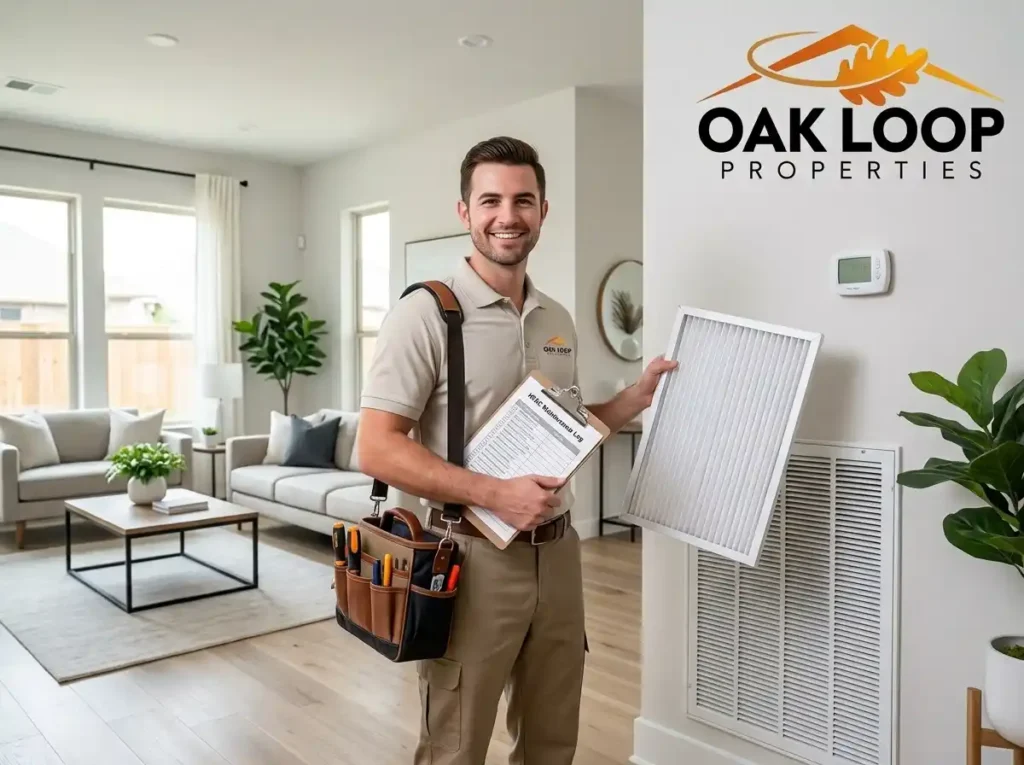
In this guide, you’ll learn what rental property maintenance is and why it matters. You’ll also see how professional property management can help protect your investment and keep your property in good shape.
Table of Contents
What Is Rental Property Maintenance?
Rental property maintenance is the work needed to keep a rental home safe, clean, and in good shape.
It includes both small repairs and bigger projects. Some jobs are done on a regular schedule. Others happen only when something needs to be fixed.
Common maintenance tasks include:
- Fixing plumbing leaks
- Repairing electrical problems
- Servicing HVAC systems
- Replacing damaged flooring
- Painting walls
- Cleaning gutters
- Landscaping
- Inspecting the roof
- Pest control
- Repairing appliances
Regular maintenance helps protect the property. It also keeps tenants safe and comfortable.
Why Rental Property Maintenance Matters
Many property owners think maintenance is just another expense. In reality, it is an investment that protects your property and saves money over time.
Here are some of the biggest benefits.
Protects Your Property Value
Small problems can turn into big repairs if you ignore them.
For example, a small roof leak may only need a quick fix today. If left alone, it can lead to mold, damaged ceilings, and costly repairs.
Regular inspections help you find problems early.
Keeps Tenants Happy
Tenants want a home that is clean, safe, and well maintained.
Quick repairs build trust. Happy tenants are also more likely to renew their lease.
This means fewer vacancies and lower marketing costs.
Reduces Emergency Repairs
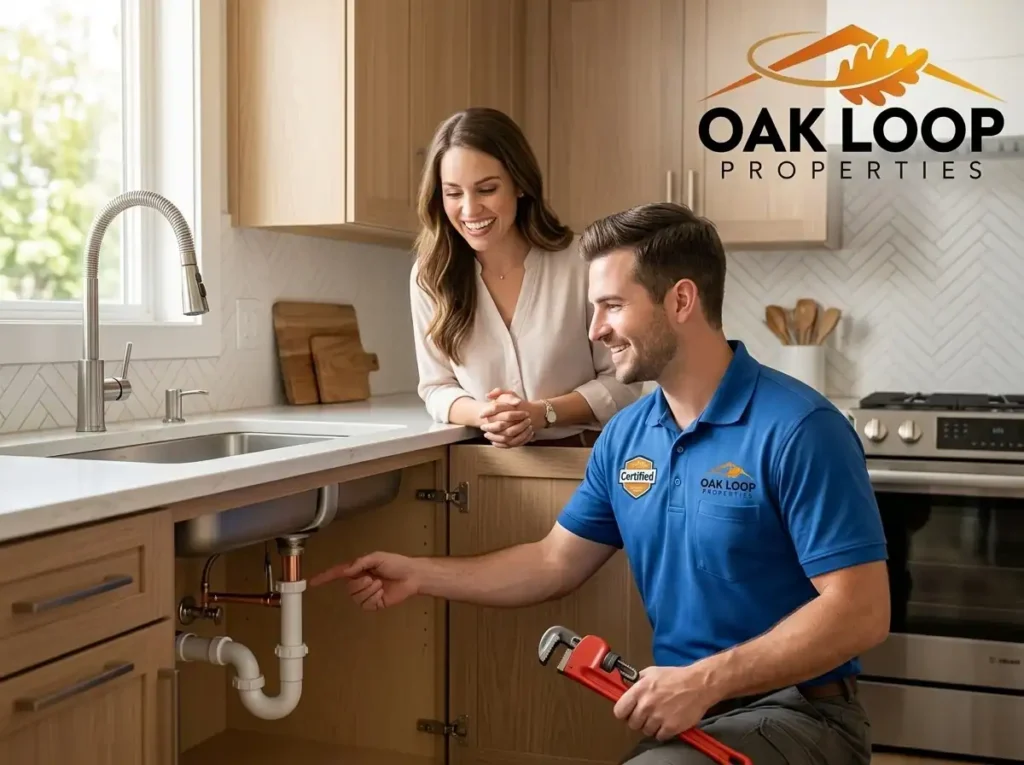
Emergency repairs often cost more than planned maintenance.
Regular upkeep helps prevent sudden breakdowns. It also reduces expensive after-hours repair calls.
Helps Meet Legal Requirements
Landlords must provide safe and livable housing.
Regular maintenance helps you meet local housing rules. It can also lower the risk of legal problems.
Types of Rental Property Maintenance
Not every repair is the same. Property maintenance usually falls into several categories.
Preventive Maintenance
Preventive maintenance is scheduled before problems happen.
Examples include:
- HVAC servicing
- Roof inspections
- Gutter cleaning
- Smoke detector testing
- Water heater flushing
- Tree trimming
This type of maintenance helps prevent expensive repairs later.
Routine Maintenance
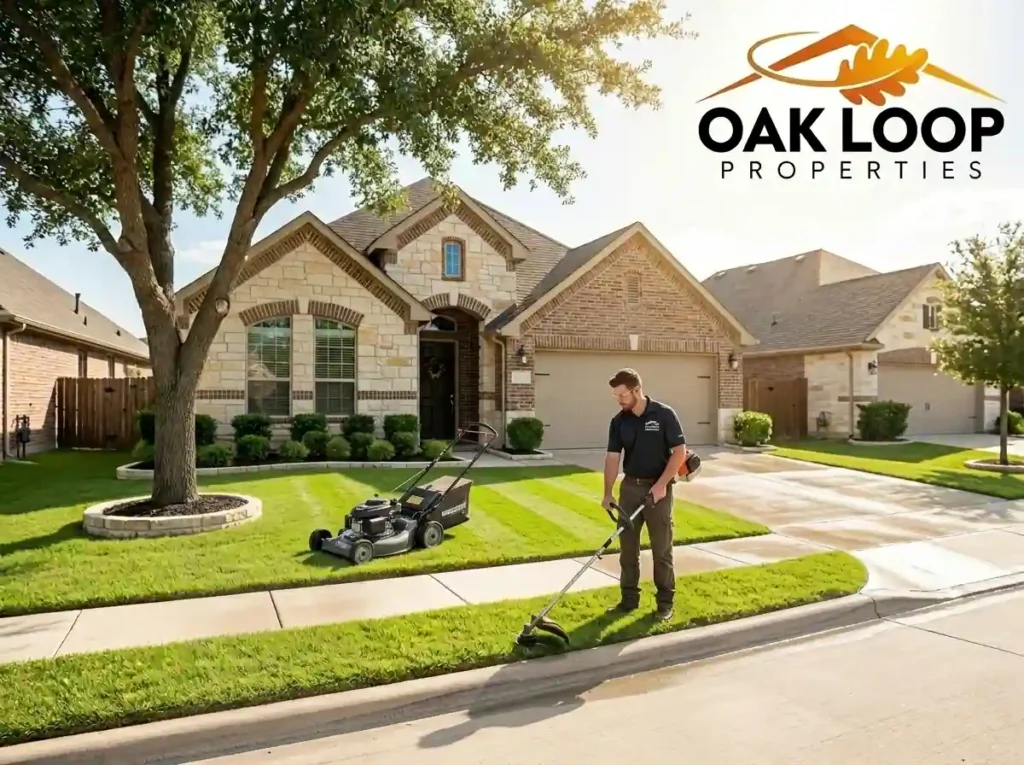
Routine maintenance keeps the property looking its best.
Examples include:
- Lawn care
- Pressure washing
- Cleaning common areas
- Replacing air filters
- Touch-up painting
These tasks improve curb appeal and tenant satisfaction.
Corrective Maintenance
Corrective maintenance fixes something that is damaged or no longer working.
Examples include:
- Repairing broken appliances
- Replacing damaged windows
- Fixing leaking pipes
- Repairing fences
These repairs should be completed as quickly as possible.
Emergency Maintenance
Some problems cannot wait.
Emergency maintenance includes situations like:
- Burst pipes
- Electrical hazards
- Gas leaks
- No heat during winter
- Major roof leaks
- Sewage backups
Quick action helps prevent property damage and protects tenant safety.
Common Maintenance Issues in Rental Properties
Every rental property will need repairs over time.
Plumbing Problems
Leaky faucets, clogged drains, and running toilets waste water and increase utility bills.
Small plumbing issues should be repaired before they become larger problems.
HVAC Failures
Heating and cooling systems work hard throughout the year.
Regular servicing improves efficiency and extends equipment life.
Roof Damage
Strong storms, wind, and aging materials can damage roofs.
Annual inspections help detect missing shingles or leaks before water enters the home.
Electrical Repairs
Loose outlets, broken switches, and outdated wiring should always be handled by qualified professionals.
Electrical problems can create serious safety risks.
Appliance Repairs
Dishwashers, refrigerators, ovens, and washing machines eventually wear out.
Quick repairs reduce inconvenience for tenants.
Pest Control
Rodents, ants, termites, and other pests can damage property and create health concerns.
Regular inspections help prevent infestations.
Seasonal Rental Property Maintenance Checklist
Every season brings different maintenance needs.
Spring
- Inspect the roof.
- Check gutters.
- Service the air conditioner.
- Inspect windows and doors.
- Look for water damage.
- Refresh landscaping.
Summer
- Check irrigation systems.
- Trim trees.
- Pressure wash exterior surfaces.
- Inspect outdoor lighting.
- Seal cracks in walkways.
Fall
- Clean gutters again.
- Test heating systems.
- Replace HVAC filters.
- Inspect insulation.
- Check weather stripping.
Winter
- Protect exposed pipes.
- Test smoke and carbon monoxide detectors.
- Inspect the roof after storms.
- Remove fallen branches.
- Watch for water leaks.
Following a seasonal schedule helps reduce unexpected repairs.
How Preventive Maintenance Saves Money
Many owners delay maintenance to save money.
But this can lead to bigger repair costs later.
For example:
- Replacing an HVAC filter costs very little.
- Replacing a full HVAC system can cost thousands of dollars.
The same applies to plumbing, roofs, floors, and appliances.
Preventive maintenance can help you:
- Make equipment last longer.
- Reduce repair costs.
- Avoid expensive emergency repairs.
- Improve energy efficiency.
- Protect your property’s value.
Regular maintenance costs less than major repairs in many cases. It also helps prevent unexpected problems.
How Property Managers Handle Rental Property Maintenance
Professional property managers coordinate maintenance from start to finish.
Property owners do not need to find contractors or schedule repairs. They also do not have to follow up on the work. Experienced professionals can handle the entire process.
A property management company typically handles:
Regular Property Inspections
Routine inspections help identify issues before they become major repairs.
Managers also document property conditions with photos and reports.
Vendor Coordination
Property managers work with trusted contractors for:
- Plumbing
- Electrical work
- HVAC service
- Roofing
- Landscaping
- Cleaning
- Pest control
Reliable vendors often complete repairs faster and at competitive prices.
Maintenance Requests
Tenants need an easy way to report maintenance problems.
Property managers receive requests, prioritize repairs, and keep tenants informed throughout the process.
Emergency Response
Emergencies can happen at any time.
Professional management companies coordinate emergency repairs quickly, helping reduce damage and protect tenants.
This is one reason many owners choose Best Pearland Property Management instead of managing repairs on their own.
Tenant Responsibilities in Rental Property Maintenance
Rental property maintenance is a shared responsibility. While landlords handle major repairs, tenants help keep the property in good condition through daily care.
Report Problems Early
Tenants should report leaks, broken appliances, or other issues as soon as they notice them. Quick reporting helps prevent bigger repairs.
Keep the Home Clean
Regular cleaning helps protect the property. It can also reduce pests, odors, and unnecessary damage.
Follow the Lease
The lease should explain each person’s maintenance duties. When both landlords and tenants do their part, rental property maintenance becomes easier and more effective.
Tips for Reducing Maintenance Costs
Smart planning can lower maintenance expenses without sacrificing quality.
Here are a few simple tips.
Schedule Regular Inspections
Finding problems early almost always costs less than waiting.
Use Quality Materials
Cheap materials often fail sooner.
Investing in durable products can reduce future repairs.
Encourage Tenant Reporting
Ask tenants to report small issues right away.
Quick action helps prevent larger damage.
Keep Maintenance Records
Maintenance logs help track repairs and identify recurring issues.
They also make budgeting easier.
Build Relationships With Reliable Contractors
Working with trusted vendors often results in better service and more consistent pricing.
Signs You Need Professional Property Maintenance Services
Managing maintenance becomes harder as responsibilities grow.
You may benefit from professional help if:
- You own multiple rental properties.
- You live far from your rental.
- Emergency repairs interrupt your schedule.
- You struggle to find reliable contractors.
- Tenant maintenance requests are becoming difficult to manage.
- You want more free time.
Professional management allows owners to focus on growing their investment instead of handling daily repairs.
Many investors partner with Property Management Pearland because they want dependable maintenance services and less stress.
Choosing the Right Property Management Company
Not every property management company offers the same service. Take time to compare your options before making a decision.
Experience
Choose a company that has experience managing rental homes like yours.
Local Knowledge
A local team knows the Pearland rental market. They also understand local weather, trusted contractors, and common maintenance issues.
Vendor Network
A strong vendor network helps complete repairs faster. It also helps keep the quality of the work high.
Communication
Good communication is important. Owners should receive regular updates about inspections, repairs, and maintenance costs. Tenants should also get quick answers when they need help.
Transparent Pricing
Choose a company with clear pricing. There should be no hidden fees. A trusted company explains maintenance costs before work begins whenever possible.
Many owners choose Best Pearland Property Management because of its organized maintenance process. The team also works with trusted local vendors and provides responsive service.
Conclusion
Rental property maintenance is a key part of owning a successful rental home.
Regular inspections, routine maintenance, and quick repairs help protect your property. They also keep tenants happy and help prevent expensive emergency repairs.
Some landlords choose to handle maintenance on their own. Others work with a property management company to save time and reduce stress. With the right team, maintenance becomes easier, faster, and more organized.
If you want to keep your rental property in great condition, Best Pearland Property Management is here to help. Our team can protect your investment, handle maintenance needs, and give your tenants a better rental experience.
Frequently Asked Questions
What does rental property maintenance include?
Rental property maintenance covers regular inspections and routine care. It also includes repairs, landscaping, pest control, and servicing systems like plumbing, electrical, and HVAC. These tasks help keep the property safe and in good condition.
Who is responsible for rental property maintenance?
Landlords usually handle major repairs and safety issues. Tenants should keep the home clean and report problems as soon as possible. They should also follow the lease agreement.
How often should a rental property be inspected?
Most rental properties should be inspected once or twice a year. Regular inspections help find small problems early. Fixing them sooner can prevent bigger and more expensive repairs.
Can a property management company handle maintenance?
Yes. A property management company can schedule inspections and repairs. They also work with trusted contractors and respond to emergency maintenance requests. This saves landlords time and helps keep the property in good condition.