

A broken water heater does not wait for a convenient time. Neither does Texas law. How a landlord handles maintenance and repairs can decide whether a small problem stays small, or turns into a legal headache. Get it right, and tenants stay longer and treat the property better. Get it wrong, and an owner can face rent deductions, lawsuits, or worse.
This guide covers what maintenance and repairs should look like for a Texas rental. It explains what state law actually requires, and how a team like Oak Loop Properties Pearland keeps owners protected. It reflects the same standards a property management pearland team applies to every property it manages.
Table of Contents
What Maintenance and Repairs Should Include in a Texas Rental
Good maintenance and repairs are not just about fixing what breaks. They cover three distinct areas, and each one matters for a different reason.
Routine Maintenance
Routine maintenance and repairs keep small issues from growing into big ones. This includes HVAC filter changes, gutter cleaning, and seasonal checks on plumbing and appliances. A property that gets regular attention rarely surprises an owner with a costly emergency.
Texas summers push HVAC systems hard. A unit that never gets serviced is far more likely to fail in July, right when tenants need it most. A simple filter change every few months costs little. A full system replacement in the middle of a heat wave costs a lot, and it costs goodwill too.
Emergency Repairs
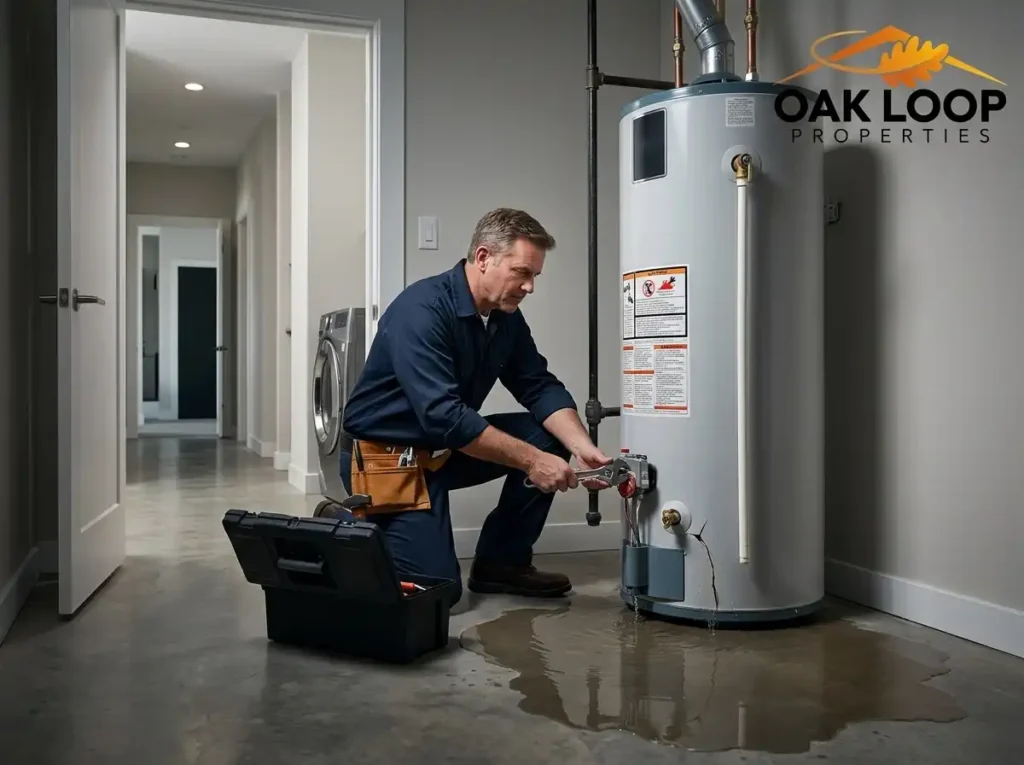
Some problems cannot wait. Burst pipes, sewage backups, and total loss of water service fall into this category. Texas law treats these conditions differently than routine wear, and a landlord who delays here takes on real legal exposure.
Speed matters most in this category. A sewage backup left overnight can damage flooring and drywall. A water leak behind a wall can grow mold within days. The faster a landlord responds, the smaller the total repair bill tends to be.
Preventive Inspections
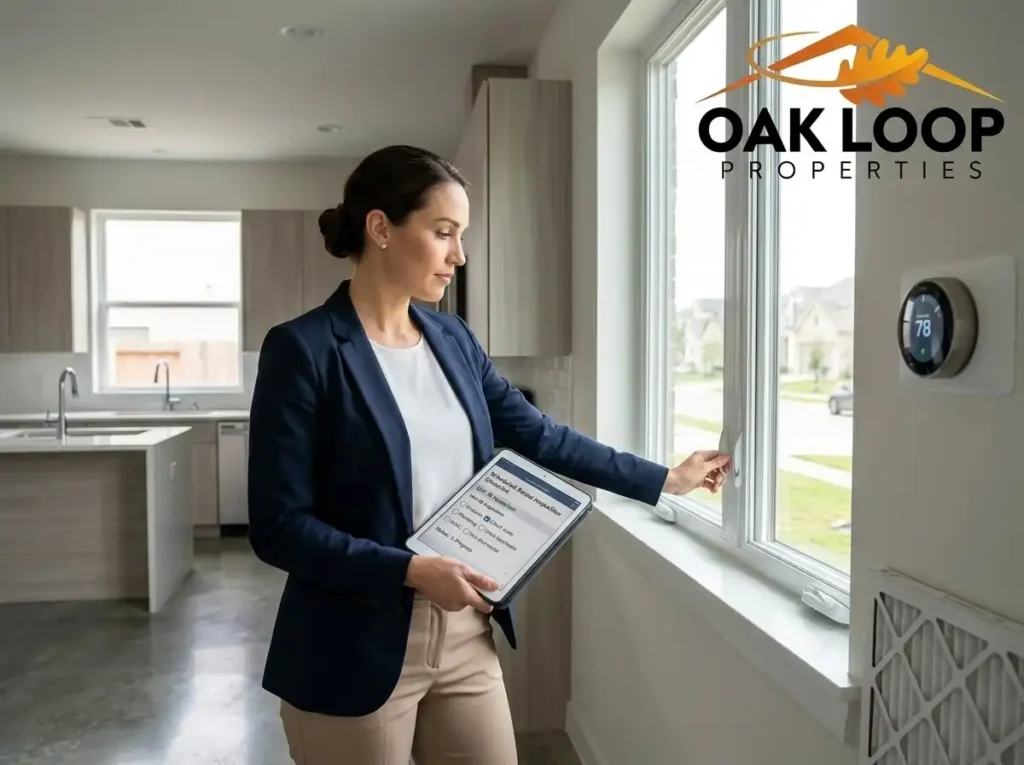
Regular walkthroughs catch problems before a tenant even reports them. A cracked seal around a window or a slow leak under a sink is easy to fix early. Left alone, either one can turn into a mold issue or a structural repair that costs far more.
A biannual walkthrough is a reasonable standard for most single family rentals. Photos from each visit create a record of the property’s condition over time. That record helps later, too, if a security deposit dispute ever comes up at move out.
Texas Law and the Landlord’s Duty to Repair
Texas law does not leave maintenance and repairs to a landlord’s discretion. Specific rules apply, and they carry real consequences when ignored.
The Habitability Standard
Under Texas Property Code Section 92.052, a landlord must repair conditions that materially affect a tenant’s physical health or safety (Office of the Attorney General of Texas, 2026). This covers issues like faulty wiring, plumbing failures, and a lack of hot water. Cosmetic problems usually do not trigger this duty. A scuffed wall or a loose cabinet handle rarely qualifies.
Notice and Reasonable Time to Repair
A tenant must give written notice before a landlord’s duty to repair kicks in under most circumstances, and that notice requirement is often spelled out in the lease agreement itself. Texas law presumes seven days is a reasonable time to respond. The landlord can argue for more time, depending on the severity of the issue and the availability of materials or labor (Texas State Law Library, 2026). This is why fast, documented maintenance and repairs matter so much. A slow response can turn a routine fix into a legal problem.
Repair and Deduct Remedy
If a landlord fails to act, Texas law gives tenants a powerful option. A tenant can hire a licensed contractor and deduct the cost from rent, up to one month’s rent or five hundred dollars, whichever is greater. This remedy only applies after proper notice, and only after a failure to respond within a reasonable time. Even so, it shows exactly why timely maintenance and repairs protect an owner’s cash flow as much as the tenant’s comfort.
How Poor Maintenance and Repairs Create Legal Risk
A missed repair request rarely stays a small problem. It tends to grow, and so does the risk attached to it.
Tenants who feel ignored are more likely to withhold rent, file complaints, or simply stop caring for the unit. Some conditions, if left unresolved, give a tenant grounds to terminate the lease early and recover a prorated refund. Texas law also protects tenants from retaliation after they request repairs. A landlord cannot respond to a repair complaint with a rent increase, a nonrenewal notice, or an eviction process within six months of the request.
Poor maintenance and repairs also create documentation problems. Without a clear paper trail, a landlord has little to stand on if a dispute reaches justice court. That trail should show when a request came in and when it was resolved. Justices of the peace in Texas can order repairs directly, for conditions costing up to ten thousand dollars, which puts real teeth behind a tenant’s complaint.
Vacancy is another hidden cost of poor upkeep. A tenant who deals with repeated maintenance failures rarely renews the lease. Finding a new tenant costs money in marketing, screening, and lost rent during the gap. Keeping a good tenant through reliable service, and through a smooth lease renewal when the time comes, is almost always cheaper than replacing one.
What to Expect from Professional Maintenance and Repairs Management
Owners who handle maintenance and repairs themselves often underestimate the time it takes. A single request can mean fielding a call, scheduling a vendor, confirming the work, and documenting everything in case a dispute ever comes up.
Multiply that by a handful of properties, and the job becomes a second career. Many self managing owners find out the hard way that a single missed call, on a night when a pipe bursts, can undo months of goodwill with a good tenant.
A property management pearland team builds this process into daily operations, the same way it builds a careful process around tenant placement. That means a system for logging requests, a network of vetted local vendors, and clear timelines for response and completion. It also means keeping records that protect the owner, not just the tenant, if a disagreement over repairs ever escalates.
Look for a provider that tracks response times and shares that data with owners. Ask how the company handles after hours emergencies, since a burst pipe at midnight cannot wait until business hours. A transparent local provider will have clear answers to both questions, not vague reassurances.

How Oak Loop Properties Pearland Handles Maintenance and Repairs
Oak Loop Properties Pearland treats maintenance and repairs as a core part of protecting an owner’s investment, not an afterthought. The team logs every request, coordinates with vetted local vendors, and documents the full timeline from report to resolution.
Owners working with Oak Loop Properties Pearland get more than a repair hotline. They get a system built around the notice and timing rules in the Texas Property Code, so a routine fix never turns into an avoidable legal issue. For Pearland landlords who want their rental cared for without the daily phone calls, this is exactly the kind of standard a full service management team should deliver.
Frequently Asked Questions
How fast must a Texas landlord respond to a repair request?
Texas law presumes seven days is a reasonable time to make a diligent effort at repair, though the exact timeline can shift based on the severity of the issue.
What counts as an emergency repair in Texas?
Burst pipes, sewage backups, and a total loss of water or essential utilities generally count as emergencies. These require a faster response than routine maintenance and repairs.
Can a tenant withhold rent for unfinished repairs?
Not simply by choice. Texas law only allows a tenant to deduct repair costs from rent after giving proper notice and waiting a reasonable time for the landlord to respond.
Do landlords have to fix normal wear and tear?
No. Texas law separates normal wear and tear from conditions that affect health or safety, and only the second category creates a legal duty to repair.
How does a Pearland property team handle maintenance and repairs?
A property management pearland team like Oak Loop Properties Pearland logs every request and dispatches vetted vendors. It documents each step to protect both the owner and the tenant.
Final Thoughts
Maintenance and repairs are not just a line item in a management contract. They shape how long a tenant stays, how a property holds its value, and how exposed an owner is if a dispute ever reaches court. Texas law rewards landlords who respond quickly and document everything, and that is exactly the standard a good management team should meet. Owners who treat this part of the business seriously tend to see fewer disputes and steadier income over time. For Pearland owners who want that protection built in, Oak Loop Properties Pearland offers the local experience and accountability a rental property needs.