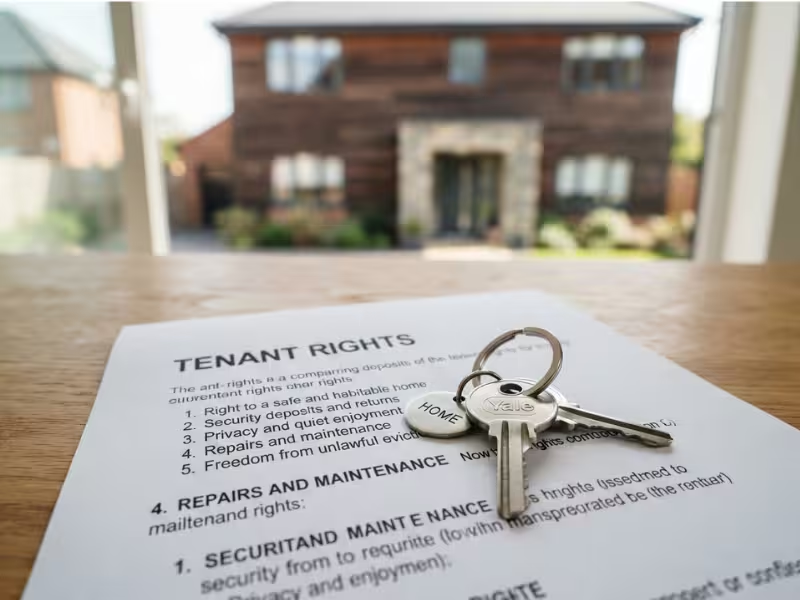
Living in a home should feel safe, clean, and comfortable. But sometimes, renters face problems with repairs, landlords, rent, safety, or unfair treatment. When a serious problem happens, housing complaints can help renters report the issue and ask for help.
A complaint does not have to be hard or complicated. It is simply a way to tell the right person about a housing problem. The first step is usually to talk to the landlord or property manager. If the problem is not fixed, a renter may need to contact a local housing office or another agency.
Understanding the basic rules can make the process much easier.
Table of Contents
What Are Housing Complaints?
Housing complaints are reports about problems with a home, apartment, landlord, property manager, or rental service. These problems can be small or serious.
Common examples include:
- Broken plumbing
- Water leaks
- Mold or heavy moisture
- Unsafe electrical outlets
- Broken doors or windows
- Pest problems
- Poor building conditions
- Heating or cooling problems
- Unsafe stairs or railings
- Unfair treatment
- Possible discrimination
- Problems with repairs
Some problems can be fixed by simply talking with the landlord. Other problems may need help from a city, county, or housing agency.
The goal is not to create trouble. The goal is to find a fair and safe solution.
What Is Fair Housing?
Many renters ask, what is fair housing? Fair housing means people should have a fair chance to rent, buy, or live in a home without illegal discrimination.
Fair housing rules can protect people from unfair treatment based on protected characteristics under applicable law. These rules can apply to landlords, property managers, apartment owners, and other housing providers.
For renters, understanding these rules is important. If someone believes they were treated unfairly because of a protected characteristic, they may need to learn more about their local rights and complaint options.
Common Reasons for Housing Complaints
There are many reasons why a renter may need to make housing complaints. A renter may have asked for a repair several times but received no response.
For example, imagine that a bathroom has a large water leak. The renter tells the landlord, but the leak continues for several days. The renter takes pictures and keeps copies of the messages sent to the landlord.
These records can help explain the problem.
Other common reasons include:
- A landlord does not respond to repair requests.
- A rental home has a serious safety problem.
- A renter believes they were treated unfairly.
- A property has poor sanitation.
- A tenant has problems with pests.
- A building has broken safety equipment.
- A renter has concerns about possible discrimination.
Not every disagreement is a legal violation. However, serious safety problems and possible discrimination should not be ignored.
Understanding Fair Housing Laws for Apartments
People who live in apartments may also need to understand fair housing laws for apartments. These laws can help protect renters from certain types of illegal discrimination.
Apartment owners and managers should use clear and fair rental policies. They should also apply their rules consistently.
For renters, it is helpful to keep copies of rental applications, notices, emails, and other important documents. If a renter believes something unfair happened, these records may help explain what happened.
If you are unsure whether a situation violates fair housing rules, consider asking a qualified housing professional, legal aid group, or government housing agency for guidance.
When Should You Report a Problem?
A renter should report a housing problem as soon as possible. Waiting too long can sometimes allow a small problem to become much worse.
For example, a small water leak can damage walls, floors, or cabinets. A broken lock can create a safety concern. A damaged electrical outlet can become dangerous.
Before making formal housing complaints, try to tell the landlord or property manager about the problem. Put the request in writing when possible.

Keep Records of the Problem
Good records can make housing complaints easier to understand.
Renters should keep:
- Photos of damage
- Videos when helpful
- Emails
- Text messages
- Repair requests
- Letters
- Notices
- Dates of important events
- Names of people contacted
Keep the original photos and messages when possible.
If a landlord says that a repair was completed, write down the date. If the problem comes back, record that too.
Good records help both renters and property owners. They show what happened and when it happened.
Housing Rights Every Renter Should Understand
Renters should learn about their basic housing rights. These rights can be different depending on the city, state, or country.
Some housing rules may cover:
- Safe living conditions
- Repairs
- Rental agreements
- Security deposits
- Privacy
- Notices
- Eviction procedures
- Fair treatment
- Protection from illegal discrimination
This is where housing law becomes important. Housing law can be complex, so renters should avoid assuming that one rule applies everywhere.
If a renter has a serious legal concern, a local housing agency or qualified legal professional can explain the rules that apply to that location.
Fair Housing Regulations and Rental Properties
Landlords and property managers should also understand fair housing regulations. Following these rules can help prevent unfair treatment and reduce disputes.
Good property management includes more than collecting rent. It may also include:
- Responding to maintenance requests
- Keeping records
- Inspecting properties
- Communicating clearly
- Applying rental rules fairly
- Handling tenant concerns
- Addressing safety issues
A professional service such as Best Pearland Property Management can help property owners organize these daily tasks and respond to tenant needs.
Owners should also stay informed because fair housing laws and regulations may change or differ depending on the location.
How to Make a Housing Complaint
If a renter needs to make housing complaints, the process should start with clear information.
Follow these simple steps:
Identify the Problem
Write down exactly what is wrong. Avoid using confusing words.
Tell the Landlord
Contact the landlord or property manager. Explain the issue and ask for a solution.
Keep Proof
Save photos, messages, letters, and repair records.
Follow Up
If there is no response, send another polite message. Include the date of the first request.
Learn About Local Rules
If the problem remains, find out which local office handles the issue.
Ask for Help
For serious concerns involving safety, discrimination, or legal rights, consider contacting an appropriate housing agency or qualified legal professional.
What If the Landlord Does Not Respond?
Sometimes a renter may make several housing complaints, but the landlord still does not respond.
If this happens, keep all records. Do not destroy property, make threats, or create a new problem.
Instead, check the local complaint process. Some cities and counties have offices that handle building safety, housing conditions, or code problems.
A renter should also be careful before stopping rent payments or moving out because of a dispute. Rental rules are different in different places. Get proper information before taking a major step.
Property owners can prevent many disputes by responding to renters quickly. Best Pearland Property Management can assist owners who need support with maintenance, tenant communication, and rental property tasks.
How Property Owners Can Prevent Complaints
The best way to deal with housing complaints is often to prevent problems before they become serious.
Property owners can take simple steps:
- Check the property regularly.
- Fix safety problems quickly.
- Respond to tenant messages.
- Keep repair records.
- Use clear rental rules.
- Treat tenants fairly.
- Follow local housing requirements.
- Make sure important policies are applied consistently.
A property that is clean and well-maintained is better for everyone.
Property managers can also help owners stay organized. Best Pearland Property Management may provide support with inspections, maintenance requests, tenant communication, and other rental duties.
A Simple Example
Imagine a renter finds water coming from the ceiling.
The renter takes a picture and contacts the property manager. The message explains where the leak is and when it started.
The property manager sends a repair worker to check the problem. The worker finds a damaged pipe and fixes it.
The renter keeps the photo and repair message.
This is a simple example of good communication. The renter reports the issue, and the property manager responds.
But what happens if nobody responds?
The renter can send a follow-up message. If the problem continues and creates a serious safety or property concern, the renter can learn about local complaint options.
Keeping records makes the situation easier to explain.
What Not to Do
When dealing with housing complaints, renters should stay calm and use facts.
Do not:
- Make false claims
- Threaten the landlord
- Damage the property
- Hide important information
- Post private information online
- Ignore serious safety problems
- Throw away important documents
A clear and respectful message is usually more useful than an angry message.
Property owners should also listen to tenant concerns. Even a small repair request can become a bigger issue if it is ignored.
How Fair Housing Rules Help Renters and Owners
Understanding fair housing rules can help both sides.
Renters can better understand their rights and know where to seek help. Owners can better understand their responsibilities and create fair rental practices.
If a person believes discrimination may have occurred, they should document what happened. Write down dates, conversations, notices, and other useful details.
Not every unfair experience is automatically a legal violation. The facts and local rules matter.
When in doubt, ask a qualified professional or the proper housing agency for guidance.
Making Rental Problems Easier to Solve
Housing complaints are an important way for renters to report problems and ask for help. The best first step is usually simple: identify the problem, tell the landlord or property manager, and keep good records.
Renters should also learn about housing rights, housing law, and applicable fair housing rules. Understanding these topics can make it easier to know when a problem needs more attention.
Property owners can reduce disputes by keeping homes safe, responding quickly, and following applicable fair housing regulations.
For owners who want help with rental management, Best Pearland Property Management can provide support with property care, tenant communication, maintenance, and other daily responsibilities.
Remember, good communication helps everyone. Report problems early, keep your records, know your rights, and use the proper local process when a serious issue is not resolved.