

Managing a rental property means talking to tenants every day. Tenants may ask about rent, repairs, move-in dates, pets, parking, or lease rules. A fast and clear reply can make rental management much easier.
Learning how to respond to tenant inquiries is important for every landlord and property manager. Good communication helps tenants feel heard, respected, and valued.
For landlords who need extra support, Best Pearland Property Management can help with tenant communication, maintenance, rent collection, and other daily rental tasks.
Table of Contents
Why Tenant Communication Matters
Good communication is one of the most important parts of rental management. Tenants want answers they can understand. They also want to know that their landlord or property manager cares about their concerns.
Knowing how to respond to tenant inquiries can help you:
- Give clear answers
- Build trust with tenants
- Reduce confusion
- Handle problems faster
- Keep better records
- Create a better tenant experience
- Avoid missed requests
When tenants get clear answers, they are more likely to understand what they need to do. Good communication can also help prevent small problems from becoming bigger ones.
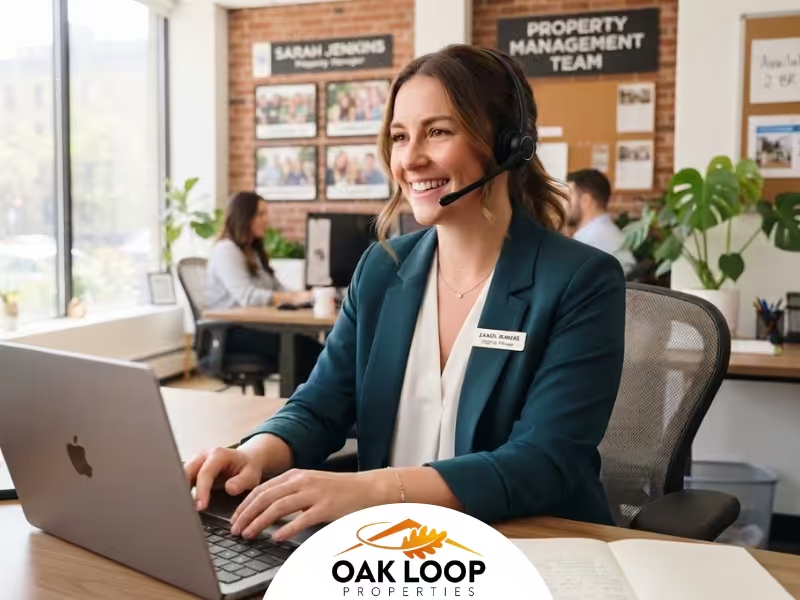
How to Communicate With Tenants
Understanding how to communicate with tenants starts with using simple, polite, and clear language.
You do not need long messages. Short and useful information is often better.
When learning how to respond to tenant inquiries, follow these basic rules:
- Start with a friendly greeting.
- Read the full message.
- Understand the main concern.
- Give a clear answer.
- Explain the next step.
- Follow up when needed.
Always try to keep the conversation calm and helpful. Good communication should make things easier, not harder.
Reply as Soon as You Can
One of the easiest ways to improve how to respond to tenant inquiries is to reply quickly.
You do not always need to solve the problem right away. Sometimes, you may need to check information first. Still, tenants should know that their message was received.
Fast replies are especially important for maintenance problems and other urgent concerns.
A quick response can show that you are paying attention. It can also stop tenants from sending many follow-up messages because they are waiting for an answer.
Read the Full Message
Before deciding how to respond to tenant inquiries, read the whole message carefully.
Some tenants may ask two or more questions in one message. Make sure you understand every part before replying.
Missing part of a message can lead to more questions and more work.
Careful reading is also an important part of how to communicate with tenants because it shows that you are listening.
Take a moment to identify the main problem, important details, and any action that may be needed.
Use Simple Words
Tenants should not need to use difficult words to understand your message.
When learning how to respond to tenant inquiries, use short sentences and simple terms.
Clear language is useful when talking about:
- Rent
- Repairs
- Lease rules
- Deposits
- Move-in dates
- Property rules
- Maintenance
- Inspections
Simple words can reduce confusion. They also help tenants understand what they need to do next.
How to Communicate Lease Agreements to Tenants
Lease agreements contain important information about a rental home.
Learning how to communicate lease agreements to tenants means making important rules easy to understand.
Tenants may have questions about:
- Rent due dates
- Security deposits
- Pets
- Guests
- Parking
- Repairs
- Maintenance duties
- Move-out rules
- Late fees
Do not assume that every tenant understands every part of the lease.
When deciding how to respond to tenant inquiries, check the lease before answering questions about rules or responsibilities.
If something is unclear, take time to review the agreement before giving an answer.
This can help prevent mistakes and future disagreements.
Explain Rules in a Friendly Way
Rental rules are important, but communication should still be respectful.
When discussing property rules, use simple and polite language. Explain why the rule matters when it is helpful.
A clear explanation can make tenants more willing to follow the rules.
This is an important part of how to respond to tenant inquiries because tenants need to understand both the rule and what is expected from them.
Always keep the lease and local rental laws in mind when discussing property rules.
Handle Maintenance Requests Quickly
Maintenance is one of the most common reasons tenants contact landlords and property managers.
Tenants may report:
- Leaking sinks
- Broken air conditioners
- Damaged doors
- Plumbing problems
- Broken appliances
- Electrical problems
- Water leaks
When deciding how to respond to tenant inquiries about repairs, first find out what happened.
Ask for important details when needed. Photos can also help explain the problem.
You should also find out if there is a serious safety concern.
After reviewing the request, explain what will happen next and keep the tenant updated.
Good maintenance communication can help reduce stress and keep small problems from becoming bigger ones.
Stay Calm With Upset Tenants
Not every tenant message will be friendly.
A tenant may be upset because of a repair delay, payment issue, noise problem, or another concern.
When learning how to respond to tenant inquiries, remember to stay calm.
Do not argue or use rude language. Focus on the problem instead of the person’s emotions.
Listen carefully and check the facts before deciding what to do.
A calm and respectful response can help lower tension and make it easier to find a solution.

How Property Managers Communicate With Tenants
Understanding how property managers communicate with tenants can help landlords create better systems.
Property managers may use:
- Phone calls
- Text messages
- Tenant portals
- Online maintenance forms
- Property management software
The goal is to make communication simple and organized.
When practicing how to respond to tenant inquiries, it is helpful to use a system that keeps tenant requests in one place.
This makes it easier to see which questions have been answered and which requests still need attention.
How Agencies Manage Tenant Communications Online
Modern property management often uses online tools.
Learning how agencies manage tenant communications online can help landlords understand how technology can improve daily work.
Online systems may allow tenants to:
- Send maintenance requests
- Ask questions
- Receive notices
- Check payment information
- View rental documents
- Receive updates
- Track requests
These tools can save time because tenants can send information without always making a phone call.
They can also help property teams keep messages organized.
For landlords with many rental properties, online communication tools can make daily management much easier.
Keep Good Communication Records
Knowing how to respond to tenant inquiries is only one part of good communication. You should also keep records of important conversations.
Useful records may include:
- Tenant name
- Date of the request
- Main concern
- Action taken
- Person handling the request
- Follow-up date
- Final result
Good records make it easier to remember what happened.
They can also help property managers follow up on unfinished tasks.
Keeping organized records is especially useful when several people are working on the same property.
Use Templates for Common Questions
If tenants often ask the same questions, simple communication templates can save time.
Templates can be useful for:
- Rent questions
- Maintenance requests
- Property tours
- Move-in information
- Move-out instructions
- Parking rules
- Pet rules
- Lease questions
Templates are helpful when learning how to respond to tenant inquiries because they can make replies faster.
However, each message should still match the tenant’s question.
Do not send information that does not apply to the person’s situation.
What to Do When You Do Not Know the Answer
You will not always know the answer to every tenant question.
That is normal.
When you are unsure about how to respond to tenant inquiries, do not guess.
Check the lease, property records, company policy, or other reliable information first.
This is especially important for questions about:
- Rent
- Fees
- Deposits
- Lease rules
- Repairs
- Tenant responsibilities
- Property policies
A correct answer is more important than a rushed answer.
Professional Help for Busy Landlords
Managing tenant messages can take a lot of time.
Landlords with several properties may receive many questions each day. They may also need to handle repairs, rent payments, inspections, paperwork, and other tasks.
This is where Best Pearland Property Management can be helpful.
Professional property management teams can help organize tenant communication and handle many daily rental duties.
They can also create systems for maintenance requests, lease questions, follow-ups, and other tenant needs.
For owners who want less stress, professional support can make property management easier.
Common Communication Mistakes
Even simple communication can go wrong when landlords make common mistakes.
Avoid:
- Ignoring tenant messages
- Taking too long to reply
- Using confusing words
- Making promises you cannot keep
- Guessing about lease rules
- Forgetting to follow up
- Replying while angry
- Sharing private tenant information
A good process for how to respond to tenant inquiries can help prevent these mistakes.
Always check important information before sending a message.
A Simple Four-Step Reply Process
If you want an easy method for how to respond to tenant inquiries, follow four basic steps.
Read
Read the entire tenant message and understand the concern.
Check
Review the lease, records, or other information if needed.
Respond
Give a clear and polite answer using simple words.
Follow Up
Complete the needed action and update the tenant when necessary.
This process can help keep communication simple and organized.
Build Better Tenant Relationships
Good communication helps build trust.
When tenants know that their questions will be taken seriously, they may feel more comfortable reporting problems early.
This can help prevent small issues from becoming bigger ones.
Knowing how to respond to tenant inquiries can also make tenants feel respected.
Good communication should be:
- Clear
- Fast
- Friendly
- Honest
- Consistent
Understanding how to communicate with tenants also means being patient and willing to listen.
When landlords communicate well, tenants can better understand their rights, duties, and responsibilities.
Conclusion
Learning how to respond to tenant inquiries does not have to be hard.
Start by reading each message carefully. Reply as soon as you can. Use simple words. Check the lease before answering questions about rules. Stay calm when tenants are upset, and follow up when you promise to take action.
Understanding how to communicate with tenants can make rental management better for everyone. Knowing how to communicate lease agreements to tenants can also reduce confusion about important rules and responsibilities.
Technology can help, too. Learning how agencies manage tenant communications online and understanding how property managers communicate with tenants can give landlords useful ideas for creating a better system.
For busy property owners, Best Pearland Property Management can provide professional support and help keep daily rental work organized.
With a clear communication process, landlords can answer questions faster, manage requests better, and build stronger relationships with tenants.