Finding good tenants is only half the job. Keeping a rental property profitable means managing leases, rent collection, maintenance requests, and legal compliance every single month. That is why so many landlords in the Houston area are searching for tenant management solutions that actually reduce stress instead of adding another task to the list.
If you own a rental home in Pearland or the surrounding Houston suburbs, the pressure is real. Vacancy costs money. A bad tenant costs more. And a missed legal deadline can cost the most of all. This article walks through what is actually happening in the local rental market, the biggest risks landlords face, and practical tenant management solutions that experienced property owners rely on. By the end, you should have a clearer picture of which tenant management solutions are worth prioritizing this year and which ones can wait.
Table of Contents
Current Rental Market Overview in the Houston Area
Rental conditions in Houston have shifted over the past year. According to the Houston Association of Realtors’ January 2026 Rental Market Update, single-family rental prices dropped 3.3 percent year over year, reaching their lowest point since late 2023 (Houston Association of Realtors, 2026). At the same time, new rental listings increased and leased listings rose 11 percent compared to the prior January, suggesting demand has not disappeared even as pricing has softened.
Rental demand in Pearland specifically can vary by property type, neighborhood, price point, and available supply. A three-bedroom home near a strong school district may lease quickly, while a similar property with dated finishes could sit vacant longer. This is exactly why tenant management solutions matter more in a shifting market. When conditions are less predictable, landlords cannot afford guesswork on pricing, screening, or lease terms.
Major Factors Affecting Rental Property Owners
Several forces are shaping how landlords approach their properties this year. Understanding them is the first step toward choosing the right tenant management solutions for your situation.
Rental Pricing and Vacancy Risk
Pricing a home correctly is harder when the market is softening. Overpricing a listing can add weeks of vacancy, and every vacant week is lost income. Landlords who rely on outdated comparable data often price too high, then scramble with concessions once the listing stalls.
Tenant Screening and Retention
A thorough screening process remains one of the most effective tenant management solutions available to any property owner. Checking rental history, income, and background reduces the odds of late payments, property damage, and early lease termination. Retention matters just as much as placement. A tenant who renews saves the owner the cost of turnover, cleaning, and a new tenant placement services search.

Lease Management and Documentation
Clear lease terms are part of any solid set of tenant management solutions. Ambiguous language around pets, guests, or maintenance responsibilities is one of the most common sources of landlord-tenant disputes, and disputes cost time whether or not they end up in court.
How These Trends Affect Local Landlords
A softer rental market does not mean landlords should panic. It means the margin for error is smaller. When rents are flat or declining, cash flow depends on keeping units occupied with reliable tenants rather than chasing the highest possible rent. This is where tenant management solutions built around consistency, not just top-dollar pricing, tend to perform better over a full year. Reactive tenant management solutions, ones that only address problems after they appear, generally lead to more turnover and more unplanned expenses.
Owners who self-manage often underestimate how much time tenant communication, maintenance coordination, and rent tracking actually require. A single missed maintenance request can turn into a larger repair bill, and a single late rent payment that goes unaddressed can turn into a pattern.
Practical Strategies for Property Owners
Landlords do not need to overhaul everything at once. A few focused changes can make a measurable difference.
- Standardize the lease. A clear, Texas-compliant Texas lease agreement reduces disputes over pet policies, maintenance responsibilities, and renewal terms.
- Automate rent collection. Consistent, on-time payments depend on making it easy for tenants to pay. Professional rent collection services can reduce late payments and give owners predictable monthly cash flow.
- Stay ahead of maintenance. Reactive repairs cost more than scheduled upkeep. Reliable property maintenance services protect the property’s condition and reduce tenant turnover caused by unresolved issues.
- Plan lease renewals early. Reaching out 60 to 90 days before a lease ends gives both sides time to negotiate terms through a proper lease renewal agreement instead of scrambling at the last minute.
On its own, none of these steps solves every problem. Together, they form the kind of tenant management solutions that keep a rental property performing consistently, even when the broader market is uncertain.
Legal and Risk Management Considerations
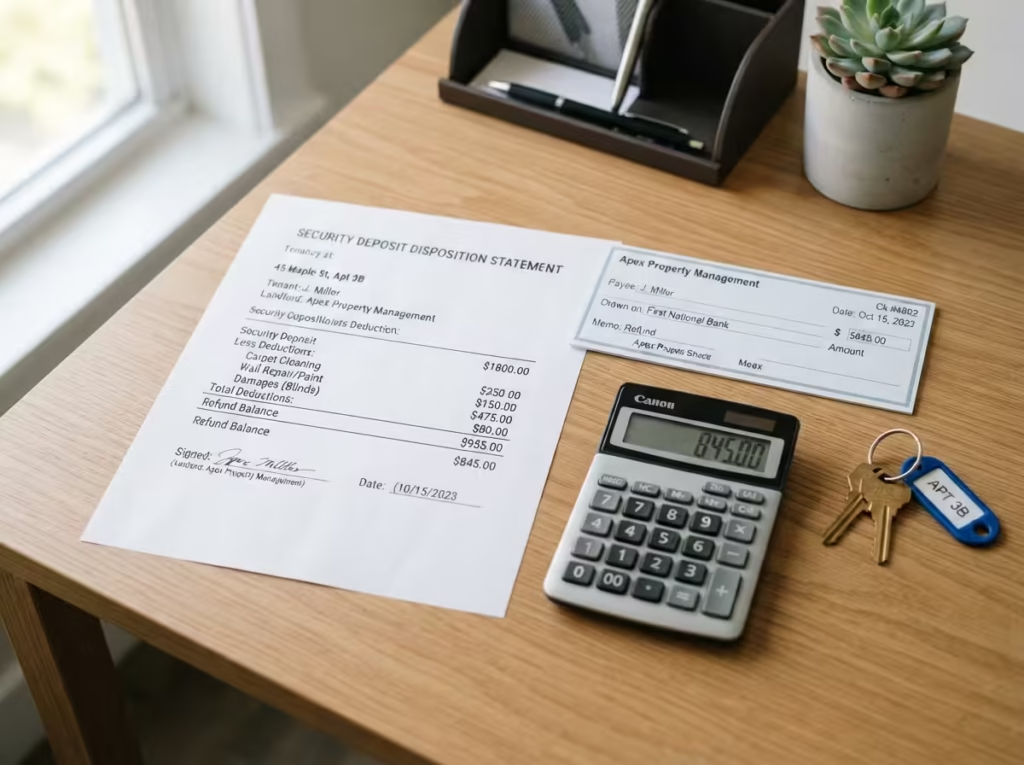
Texas law gives landlords real protections, but it also holds them to specific deadlines. Under Texas Property Code Section 92.103, a landlord must refund a security deposit within 30 days after the tenant surrenders the property and provides a written forwarding address (Texas Legislature Online, n.d.). Missing that window, or failing to provide an itemized list of deductions, can create a presumption of bad faith under Section 92.109, which exposes the landlord to statutory damages, treble damages, and the tenant’s attorney fees.
Generally, landlords should also understand the requirements around notice and cause before pursuing a Texas eviction process. Skipping a required notice period is one of the most common reasons a landlord loses time and money in eviction court, even when the underlying claim is valid. Because these rules carry real financial consequences, landlords should verify current requirements directly against the Texas Property Code and consult a qualified Texas attorney for any specific legal situation.
Insurance is another piece of the risk picture. A standard homeowner’s policy is generally not designed for a rental property, and gaps in coverage can leave an owner exposed after a major repair or liability claim. Reviewing coverage annually is a simple habit that belongs alongside any other tenant management solutions a landlord puts in place. In many cases, a short call with an insurance agent who understands rental properties is enough to identify a gap before it becomes a claim.
How Professional Property Management Can Help
Not every landlord needs to hand off daily operations, but many reach a point where the workload outweighs the benefit of self-managing. That is often when property management pearland owners start comparing tenant management solutions from local providers.
Oak Loop Properties has spent more than four years helping homeowners in the Pearland area connect with reliable renters. As a locally focused pearland property management team, the approach centers on treating each property as a long-term asset rather than a transaction. That means real tenant management solutions covering placement, lease documentation, rent collection, and maintenance coordination, handled by people who understand the local market.
For owners who are stretched between a full-time job, a growing portfolio, or simply want fewer late-night maintenance calls, working with a pearland property management partner like Oak Loop Properties can restore some of that time without giving up visibility into how the property is performing. The goal of any professional property management pearland relationship should be straightforward: fewer surprises, steadier income, and a property that stays in good condition between tenants.
Frequently Asked Questions
What are the biggest factors affecting rental property owners right now? Softening rents, tenant screening quality, and legal compliance are the three biggest factors. Owners who price competitively, screen thoroughly, and follow Texas Property Code requirements tend to see steadier results than those who skip these steps. These same factors are also the foundation of most effective tenant management solutions.
How do changing market conditions affect rental pricing? When area rents decline, as they recently have in parts of Houston, overpricing a listing leads to longer vacancies. Landlords should check current comparable rentals before renewing or listing a property rather than relying on last year’s numbers.
What should landlords consider when renewing a lease? Landlords should review current market rent, the tenant’s payment history, and any needed lease updates. Starting the conversation 60 to 90 days before expiration through a formal lease renewal agreement gives both parties time to negotiate.
How can property owners reduce vacancy risk? Competitive pricing, professional photos, and quick response times to inquiries all shorten vacancy periods. A strong tenant placement process also reduces the odds of an early move-out that creates another vacancy later, which is one reason vacancy prevention is usually the first item covered in any set of tenant management solutions.
When should a landlord consider professional property management? Landlords considering professional pearland property management often reach that point when self-managing starts costing more time or money than it saves, particularly with multiple properties, out-of-area ownership, or frequent tenant turnover.