Pets are a big part of many families. Dogs and cats are not just animals to many renters. They are part of the family. Because of this, many renters look for a rental property pet friendly home when they move.
For Texas landlords, allowing pets can be a good business choice. It can help attract more renters and make a home easier to rent. But pets can also bring extra work. They can cause damage, noise, or other problems if there are no clear rules.
A good pet policy can help solve these issues. It tells renters what they can and cannot do. It also helps owners protect their homes.
For owners looking for a rental property pet friendly approach while working with property management pearland or oak loop properties, clear pet rules can make rental management easier. Good rules also help create a fair and safe experience for both owners and renters.
This guide explains how to manage pets in a rental home, what rules to consider, and what Texas landlords should know about fair housing and property damage.
Table of Contents
What Does Rental Property Pet Friendly Mean?
A rental property pet friendly home is a home where the landlord allows certain pets under clear rules.
Being pet friendly does not mean that every animal must be accepted. An owner can create rules for regular household pets, as long as those rules follow the law.
A pet policy may explain:
- What types of pets are allowed
- How many pets a renter may have
- Where pets may stay
- How renters must clean up after pets
- Rules for noise
- Rules for property damage
- Pet fees or deposits when allowed
- What happens if a renter breaks the rules
The rules should be easy to read. Renters should know the rules before they sign the lease.
For pearland property management, having written rules can also help managers handle the same type of issue in a fair way.
Why Allow Pets in a Rental Home?
A rental property pet friendly policy can help a landlord reach more renters.
Many people have pets. If a home does not allow pets, these renters may not even ask about the property.
A pet friendly policy may also help reduce vacancy time. A larger renter pool can give an owner more choices when looking for a new tenant.
There can be other benefits too.
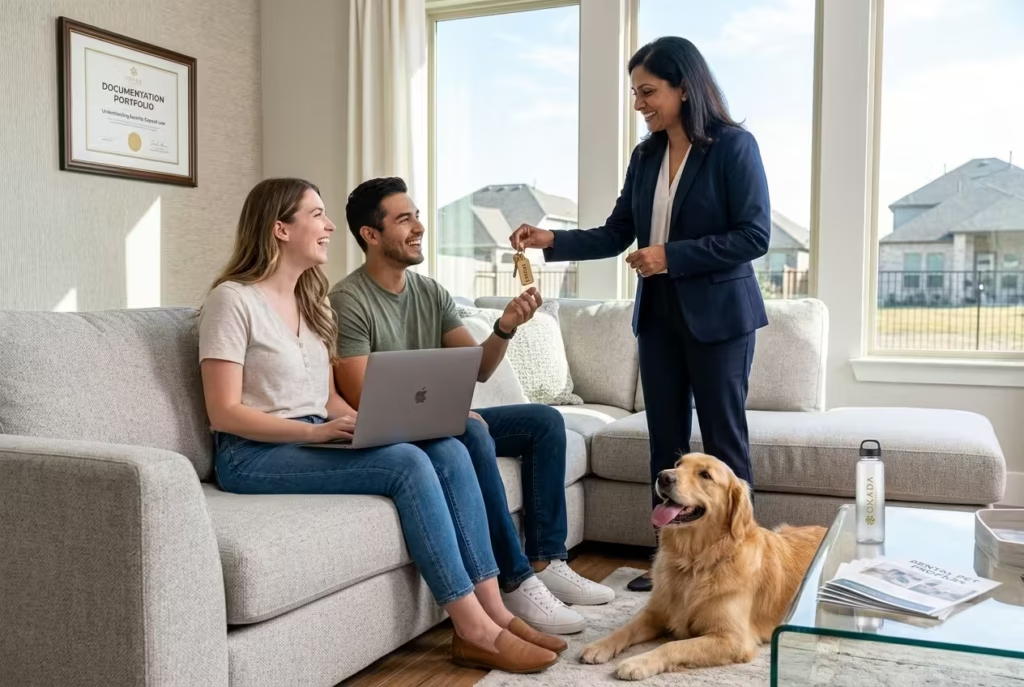
More Renters May See the Home
Pet owners often search for homes that accept animals. A rental property pet friendly policy can help a property appeal to this group.
Renters May Stay Longer
Moving with a pet can be hard. A renter who likes the home may stay longer if the pet is welcome.
The Home May Stand Out
Pet friendly homes can have an advantage in some rental markets. This is one factor owners can consider when watching local real estate trends.
Still, landlords should not allow pets without a plan. A good policy is important.
How to Create Good Pet Rules
A rental property pet friendly policy should be short and clear.
Start by looking at the home. Think about the size of the property, the yard, floors, doors, fences, and nearby homes.
For example, a home with a large yard may work well for some pets. A home with shared walls may need stronger rules about noise.
A simple pet policy can cover:
- The pets that are allowed
- The number of pets allowed
- Pet care duties
- Cleaning duties
- Noise rules
- Damage rules
- Safety rules
- Approval steps
Do not use rules that are hard to understand. Simple rules are easier for renters and managers to follow.
Put Pet Rules in the Lease
A rental property pet friendly policy should be written down.
Do not depend only on a phone call or a verbal promise. Pet rules should be part of the lease or a separate pet addendum.
The document can explain what happens if the renter brings in an animal without approval. It can also explain the renter’s duty to clean the home and pay for damage they are legally responsible for.
Owners can use professional lease agreement services to help keep lease documents clear and organized.
For property management pearland or oak loop properties, written rules also make it easier to give renters the same information.
Know the Rules for Assistance Animals
One of the most important things landlords need to understand is the difference between a pet and an assistance animal.
A rental property pet friendly policy for normal pets does not always apply to assistance animals.
The U.S. Department of Housing and Urban Development says an assistance animal is not a pet. Under the Fair Housing Act, a person with a disability may request an assistance animal as a reasonable accommodation. A housing provider may need to allow the animal when the legal requirements are met. (U.S. Department of Housing and Urban Development [HUD], 2020).
This means landlords should not simply reject an assistance animal because the property has a no pet rule.
HUD also explains that a housing provider may need to waive a pet fee or pet deposit for a qualifying assistance animal. (HUD, 2020).
If a landlord is unsure about an accommodation request, it is wise to get qualified legal advice before making a decision.
What About Pet Damage?
A rental property pet friendly home still needs protection from damage.
Pets can sometimes cause problems such as:
- Scratched floors
- Damaged doors
- Torn screens
- Stained carpets
- Chewed items
- Yard damage
- Strong odors
- Extra cleaning needs
Landlords should inspect the property before a renter moves in. Take photos and keep good records.
Texas law says a landlord cannot keep a security deposit for normal wear and tear. If money is kept for lawful deductions, the landlord generally must provide the tenant with the remaining amount and a written description and itemized list of deductions. (Texas Property Code, Chapter 92).
This makes good records very important.
A landlord should be able to show what the home looked like before the renter moved in and what changed after the renter moved out.
Inspect and Maintain the Property
A rental property pet friendly home should be checked from time to time.
Regular property checks can help owners find small problems early.
For example, a damaged screen may be cheap to replace. If it is left broken, it could lead to more problems.
Owners should also keep up with normal repairs. Texas law has rules about a landlord’s duty to repair certain conditions that affect the health or safety of an ordinary tenant, subject to the requirements and exceptions in the law. (Texas Property Code, Chapter 92).
Professional property maintenance services can help owners keep repairs on track.
This is useful for pearland property management, especially when an owner has several rental homes.
Screen Every Tenant Fairly
A rental property pet friendly policy should not replace normal tenant screening.
Landlords should still check applicants using clear and lawful standards.
The same basic rental rules should be used for all applicants. These may include income, rental history, credit information, and other legal screening factors.
A landlord should not change the rules just because an applicant has a pet.
Professional tenant placement services can help owners create a clear process for finding and screening renters.
For property management pearland or oak loop properties, a consistent process can also reduce mistakes.
Should Landlords Charge Pet Fees?
Some landlords charge a pet fee, pet deposit, or other lawful pet-related amount for ordinary pets. For a rental property pet friendly policy, the terms should be clear before the renter moves in.
Owners should also check Texas law and the lease before deciding what to charge. A rental property pet friendly arrangement should also account for assistance animals, which are different from ordinary pets. HUD explains that qualifying assistance animals cannot be treated like ordinary pets for purposes of pet fees and deposits.
Do not assume that every animal can be handled under the same rule.
A professional manager can help owners keep rental charges and records organized. Rent collection services can also make monthly payments easier to track.
What If a Renter Breaks the Pet Rules?
Even a good rental property pet friendly policy cannot prevent every problem.
A renter may bring in an unapproved pet. A dog may bark often. A pet may damage the home.
When this happens, start by checking the lease.
Next, document the problem. Keep copies of messages, notices, photos, and repair records.
Then speak with the renter and explain the rule that was broken.
Do not take action outside the legal process. A landlord should not lock a renter out or remove their belongings without following the proper law.
If a serious lease problem continues, professional eviction process services can help owners understand the proper process.
Keep the Policy Fair and Simple
A rental property pet friendly policy should protect the home without making the rules too hard.
Good rules should focus on real risks.
For example, renters can be asked to keep pets under control, clean up waste, prevent repeated noise problems, and take care of damage they cause.
Rules should be applied in the same way to similar renters.
Owners should also review their policies from time to time. Laws, rental needs, and local market conditions can change.
For property management pearland or oak loop properties, regular policy reviews can help keep rental operations organized.
Why Professional Property Management Can Help
Managing a rental property pet friendly home takes time.
Owners may need to handle advertising, tenant screening, lease documents, rent payments, repairs, inspections, complaints, renewals, and legal concerns.
This can be difficult for an owner who has more than one property or lives far away.
Professional pearland property management can help with these daily tasks.
A property manager can help keep policies clear and make sure renters understand their duties. Good management can also help owners respond to problems before they become bigger issues.
When a renter wants to stay, lease renewal agreement services can help make the renewal process more organized.